Our work

Treatment, dignity and hope, on the ground in Galdogob

At the Galdogob Mental Health Center (GMHC) and across the community, Rajo delivers residential care, rehabilitation and outreach, while challenging the stigma that leaves so many without help.

The need in numbers

A crisis, and a response

1 in 3
Somalis affected by mental illness1
3
qualified psychiatrists working in public facilities across Somalia2
5%
of people with mental illness reach professional care2
75
places for care & recovery at GMHC, Rajo's response
Sources
1. WHO, A Situation Analysis of Mental Health in Somalia, 2010
2. “Mental health crisis in Somalia: a review and a way forward,” International Journal of Mental Health Systems, 2022
Treatment & rehabilitation

Residential care at GMHC

The center provides residential care and rehabilitation for up to 75 individuals living with mental health conditions, supported by a dedicated team of 20 healthcare professionals and support staff. Care covers conditions including bipolar disorder, schizophrenia, depression, anxiety, epilepsy, psychosis and substance use disorders.4

In a structured, supportive environment, residents and staff live, work, dine and take part in social activities together. Programmes are tailored to each person, from counselling and medication management to skills training and family tracing, with the goal of recovery, reconnection with family, and reintegration into the community.

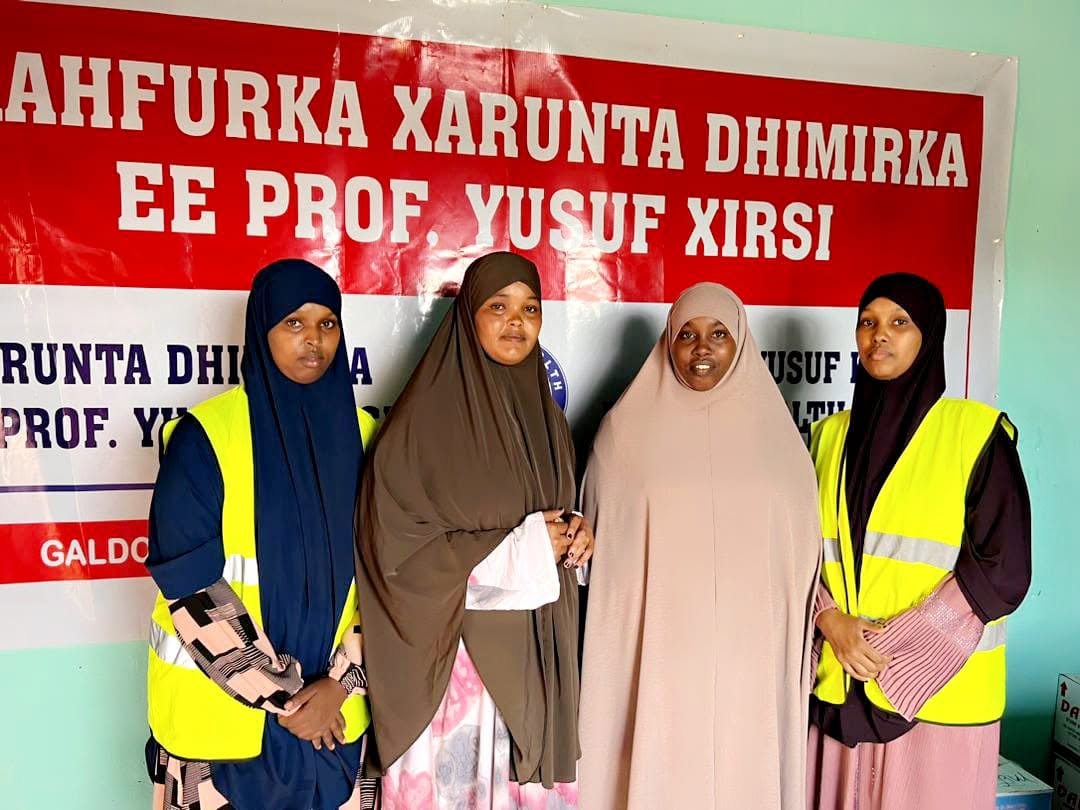
Female staff members at the Galdogob Mental Health Center
Community

Mental health outreach

Launched in May 2025, our outreach programme engages traditional leaders, women's groups and youth organisations, raising awareness, teaching practical coping skills, and guiding people toward professional support.

A multidisciplinary team of psychiatrists, psychologists and psychiatric nurses provides free assessments, brief counselling and referrals. In its first phase the programme reached 58 people with care close to home, at no cost, reducing the barriers that keep people from treatment.

The center also uses telemedicine to reach patients who cannot travel, serving a catchment of roughly 9,000 km² that takes in Galdogob and neighbouring districts, including Galkacyo, and extends into the Somali region of Ethiopia.4

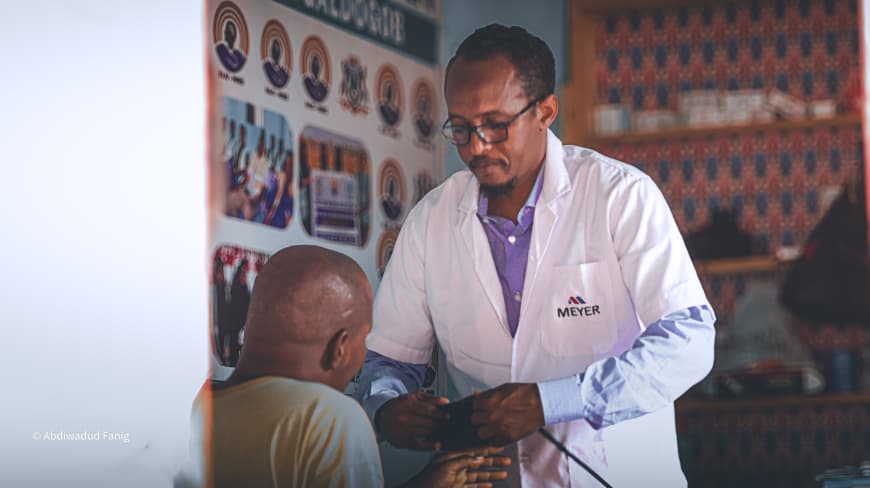
A Rajo clinician assessing a patient at the Galdogob Mental Health Center
Recovery & reintegration

Rehabilitation and return home

Care in Galdogob does not end with treatment. Alongside medication and counselling, residents take part in daily routines, skills and occupational activities, and structured rehabilitation that helps rebuild confidence, independence and a sense of purpose.4

Wherever possible, our team traces and works with families so that people can be reunited and return to their communities, no longer hidden or restrained but supported to live full lives. Some, once recovered, stay on to help others as peer supporters and volunteers.

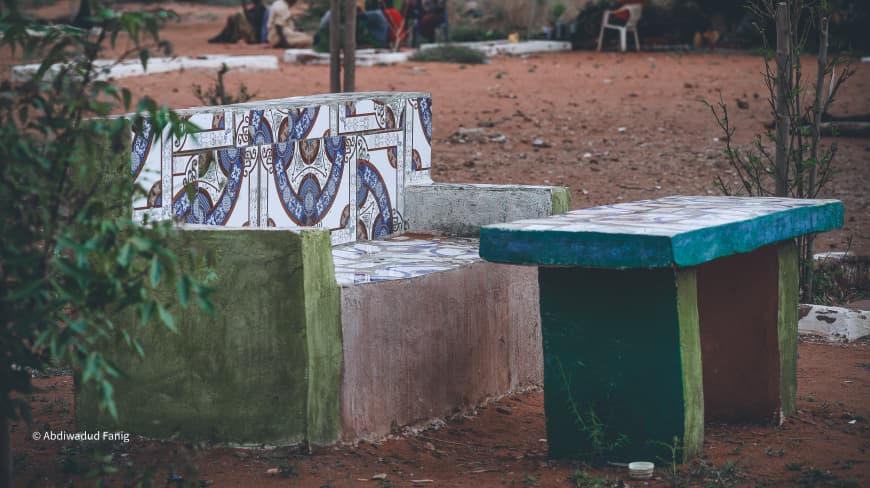
Residents and staff in the grounds of the Galdogob Mental Health Center

What your support funds

Our most urgent needs

As a small charity, every contribution has a meaningful, visible impact on the people we serve.

01

Medication & staff training

Reliable psychiatric medication and regular training so staff can deliver safe, effective care and rehabilitation.

02

Women's wing extension

Extending the center's women's wing so more women can be cared for safely, privately and with dignity.

03

Clean water tank

A water tank to give the center a reliable, safe water supply for residents and staff every day.

Fund a need →

Stories from Galdogob

Recovery, dignity, hope

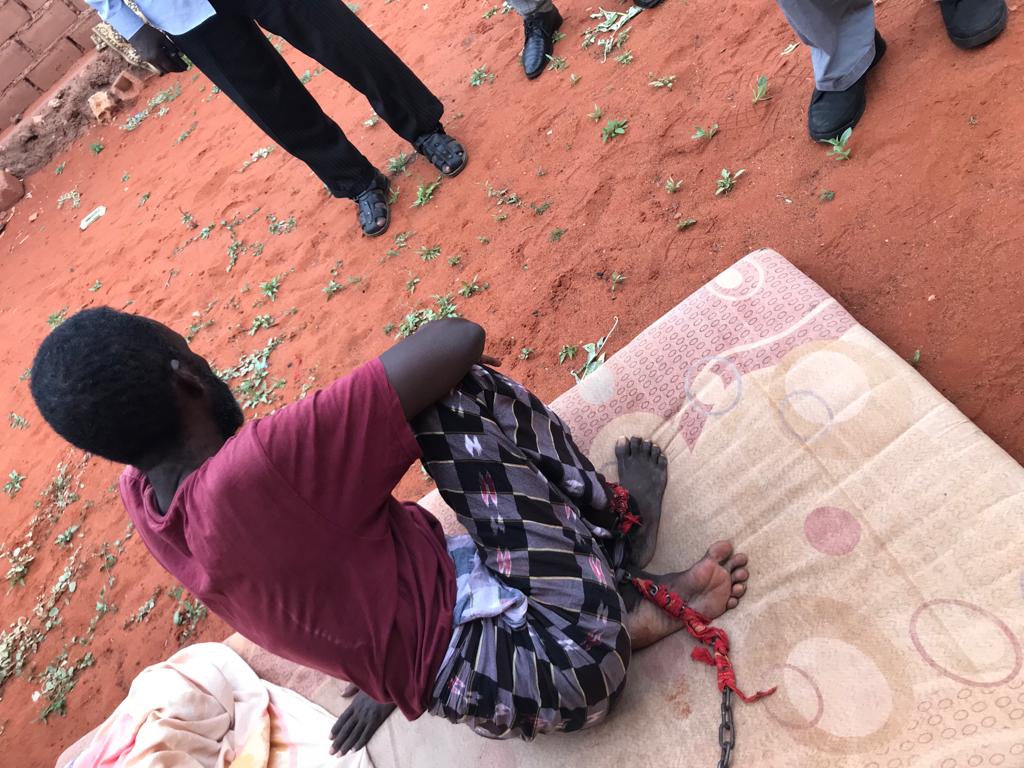
A man found chained and neglected before receiving care

Abdi was found chained and disoriented, living under a tree near the Ethiopian border.

“Abdi's story is one of many: people abandoned or chained because of stigma, misinformation, and no access to care.”

During an outreach programme near the Ethiopian border, the GMHC team met Abdi in extremely difficult circumstances. With his relatives' consent, he was brought to the center for treatment, rehabilitation and ongoing care.

Today his life has changed remarkably. His mental health has improved significantly, he takes part in daily activities, and he now volunteers at the center. We hope Abdi will soon return home and reintegrate into his community.

Human Rights Watch has documented the shackling of people with psychosocial disabilities in Somalia and across the region, a reality Rajo exists to end.3

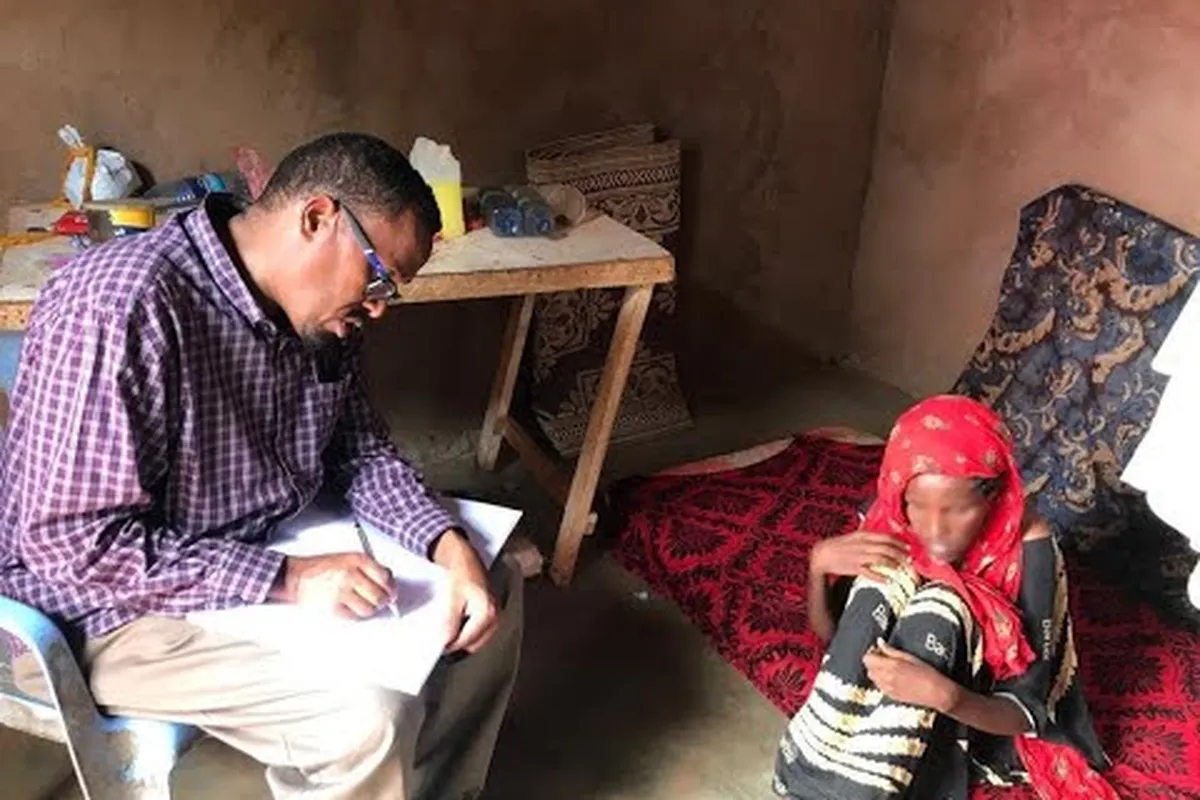
Dr. Takar writes notes while assessing a young woman during a home visit

Dr. Takar completes an assessment during a community home visit.

“After years of traditional healing, she finally received a diagnosis, and treatment that worked.”

One woman in her thirties came to the center after years of traditional healing practices, including being burned with incense to expel jinn, for what was eventually diagnosed as major depression with psychosis.

She responded well to treatment at GMHC, and today she is a peer supporter, actively helping others in her community find care sooner.4

World Mental Health Day

GMHC marked World Mental Health Day 2026 with residents and the wider community under the theme “Mental Health is a Human Right,” alongside the Puntland and Federal Government mental health departments.

Staff training

Regular training, most recently “Understanding Common Mental Health Problems and Skills for Rehabilitation”, strengthens the team's knowledge and welcomes newly recruited staff, funded by Rajo MHES.

The Rajo Center

A dedicated space within the unit for prayer, spiritual guidance, patient education and faith-based emotional support, promoting holistic recovery and wellbeing.
In the media

Galdogob on screen

Coverage of the Galdogob Mental Health Center and the community it serves.

References

  1. World Health Organization. A Situation Analysis of Mental Health in Somalia. WHO Regional Office for the Eastern Mediterranean, 2010. Read the report (PDF).
  2. “Mental health crisis in Somalia: a review and a way forward.” International Journal of Mental Health Systems, 2022. Read the review.
  3. Human Rights Watch. Living in Chains: Shackling of People with Psychosocial Disabilities Worldwide, 2020. Read the report.
  4. Takar A, Ismail A, Abdirashid M. “Revitalising mental health care: The case of Galdagob Mental Health Centre.” Somali Health Action Journal, vol. 5, 2025. Read the case report.

Stay in touch

Follow the journey

One email a month: news, milestones and stories from the Galdogob Mental Health Center, straight to your inbox.

We will only email about Rajo, and you can unsubscribe anytime.